The highest-ever poll participation in the recent Assembly elections is a proof of the trust the electors have in the country’s electoral system and the vibrancy of the democracy, says Chief Election Commissioner
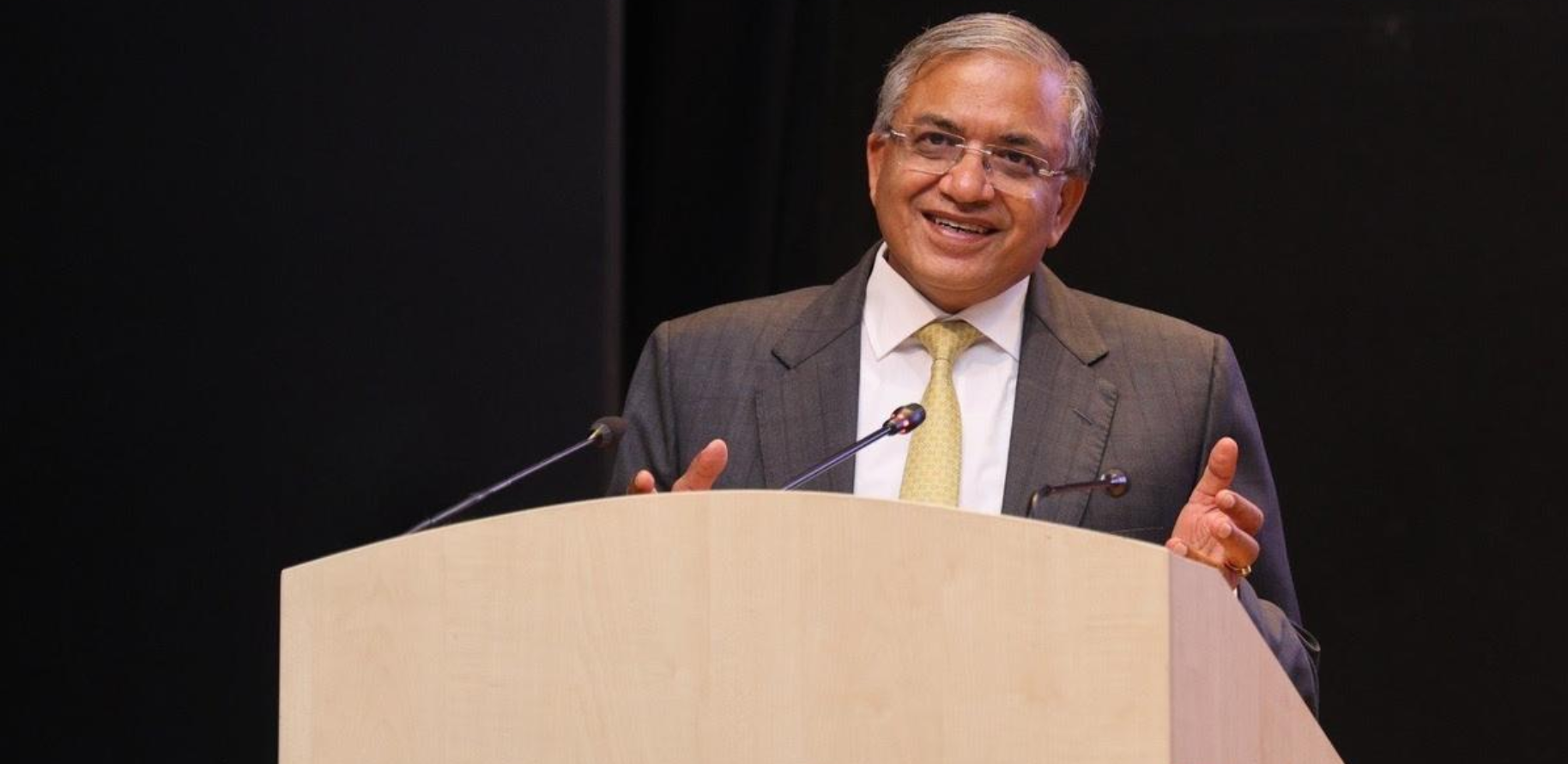
India’s electoral rolls with nearly 95 crore voters is a living document which is dynamically evolving with time, Chief Election Commissioner Gyanesh Kumar said on Friday (July 17, 2026).
Addressing the first ever media conference organised by the Election Commission of India (ECI), Mr. Kumar, while referring to the statutory safeguards that underlie the preparation of electoral rolls, said that over 12 lakh Booth Level Officers (BLOs) and over 15 lakh Booth Level Agents (BLAs) are actively involved in the process as “concurrent auditors”.
Emphasising that elections in India are conducted in accordance with the Constitution, electoral laws, and instructions issued by the ECI from time to time, he said the entire electoral process is subject to continuous scrutiny by stakeholders involved in conducting elections across the country.
The highest-ever poll participation in the recent Assembly elections is a proof of the trust the electors have in the country’s electoral system and the vibrancy of the Indian democracy, he said.
The CEC also expressed gratitude to all electors for their participation in the special intensive revision (SIR) process.
The conference with the theme “Connecting stakeholders, strengthening democracy: role of media in elections”, was attended by over 380 media professionals from across the country.
Participants were briefed on the roles and responsibilities of BLAs, polling agents and counting agents, highlighting their role in ensuring transparency, facilitating political party participation and strengthening the electoral process at various stages of elections as concurrent auditors of elections in India.
Participants were also taken through a demonstration of the electoral roll preparation, polling process and counting process in groups. The demonstrations provided an opportunity for the media professionals to get a hands-on experience of the various statutory forms which provided the basis for the concurrent audit by the various stakeholders.