When Kevin Rudd first swept to power in 2007 there was talk that the Rudd era would stretch for a decade.
In early 2010, opinion polls suggested he was Australia's most popular prime minister for three decades.
But controversies over a shelved emissions trading scheme and an unpopular mining tax caused his support to fall - and his Labor party moved against him. His deputy, Julia Gillard, challenged him for the leadership and won.
The move, however, sparked a public backlash. Out of office, Mr Rudd remained a thorn in the side of Ms Gillard, consistently polling higher than her.
In June 2013, with an election looming and support for Labor plummeting, his backers called for a return to avoid defeat. Mr Rudd won a leadership challenge and returned to lead his party into the vote.
Within weeks Mr Rudd had overhauled two high-profile policies - asylum and the carbon tax. As support for Labor rose, he set a 7 September election date. He now faces opposition leader Tony Abbott in a competitive race.
Rise to power
Born in September 1957 in the coastal hinterland north of Brisbane, Kevin Michael Rudd lost his father - a farmer - at the age of 11.
Apparently facing eviction from the farm and with nowhere else to go, his mother, Margaret, was forced to sleep overnight in a car with two of her four young children.
Four years later, Mr Rudd joined the Australian Labor Party, his family's experience of hardship having partly contributed to the decision.
As a student, he studied Chinese language and history at the Australian National University, from where Mr Rudd joined the foreign service, serving as a diplomat in both Sweden and China.
But in 1988 he decided to change paths and became the chief of staff to the Labor premier in Queensland.
Ten years later, after carving out a reputation as a competent if slightly humourless technocrat - colleagues nicknamed him Dr Death - he won election to parliament for the Queensland seat of Griffith.
While he harboured prime ministerial ambitions when he first arrived in Canberra, it would be eight years before he became Labor leader, after impressing colleagues with his performance as shadow minister for foreign affairs.
A committed Christian, with a neat turn in soundbites, he seemed particularly well-equipped to appeal to the suburban swing voters who tend to decide Australian elections.
So in December 2006 he won the leadership, despite not having many close friends in the Labor caucus and little personal following.
In 2007, Mr Rudd led Labor to a landslide election victory against the Liberal government.
'Aloof and arrogant'
During his first premiership he was much more popular with the Australian people than with his colleagues in the Labor party.
Correspondents say there were concerns about his style of leadership - his aloofness from colleagues and what many viewed as intellectual arrogance.
But whatever his personal failings, Mr Rudd's legacy as prime minister was far-reaching - he withdrew Australian troops from Iraq and stood firm in his country's commitment to Afghanistan.
He signed the Kyoto climate pact, and worked to reform health, education and controversial labour laws introduced by his predecessor, John Howard. But then his administration faltered.
Having described global warming as "the greatest moral challenge of our time", Mr Rudd saw his popularity nose-dive when he decided to shelve the centrepiece of his environmental strategy, an emissions trading scheme.
His approval rating was further damaged when he decided to target the mining sector with a "super tax" on their profits, which triggered a backlash.
The Labor party powerbrokers decided to move against him and his deputy, Julia Gillard, challenged for the leadership. Mr Rudd was ousted in June 2010.
In his farewell speech as prime minister, while fighting back the tears, Mr Rudd said he was most proud of his apology two years earlier to the indigenous Australians taken away from their families.
"The apology was unfinished business for our nation. It is the beginning of new business for our nation," he said, adding: "What I'm less proud of is the fact that I have now blubbered."
Mr Rudd, however, was soon back in the cabinet as foreign minister, amid a backlash against Ms Gillard over the manner in which he was removed.
The two worked side by side for 17 months. But as Ms Gillard's poll figures fell, talk of a leadership challenge emerged.
When a vote was called in February 2012, Mr Rudd contested the ballot, asking party colleagues to allow him to finish the job that voters elected him to do. The party backed Ms Gillard, and Mr Rudd was defeated by 71 votes to 31.
That was not the end of the leadership speculation. Early in 2013, Ms Gillard set an election date of 14 September. As polling showed Labor on course for a resounding defeat at the hands of opposition leader Tony Abbott, the rumbling began again.
Mr Rudd declined to contest a leadership ballot in March, saying he did not have the numbers. But by June, public support for Ms Gillard had fallen even further. Another ballot was called and Mr Rudd won.
Labor lawmakers are looking to Kevin Rudd to prevent a whitewash in the election - but commentators say Mr Rudd has set a more ambitious target and is working for a win.

728 x 90
Profile: Kevin Rudd
- Sección: ISEN
- 02:08 PM, ago 30

Últimas Publicaciones
-
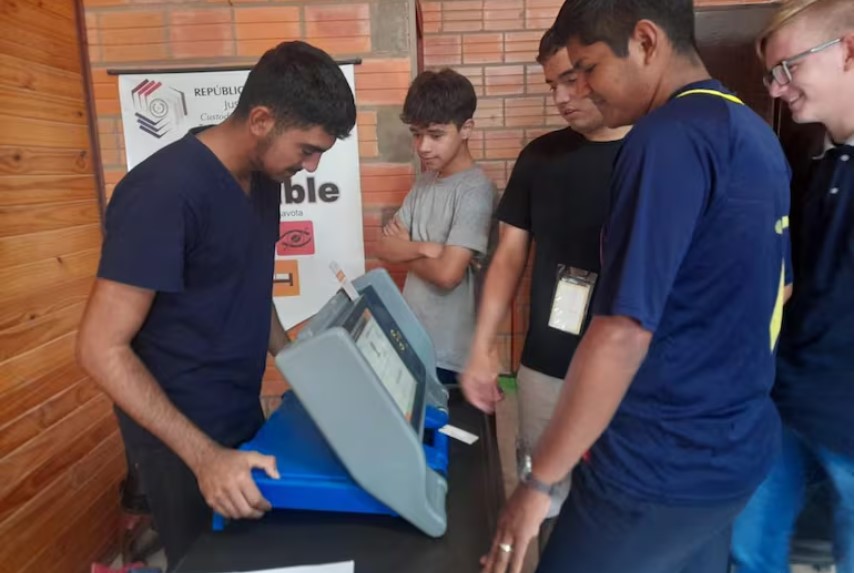
TSJE lanza la campaña “Soy joven, quiero votar” para incluir a 87.000 jóvenes en...
- SINE
- No.52601
- Nair De La Rivera
-
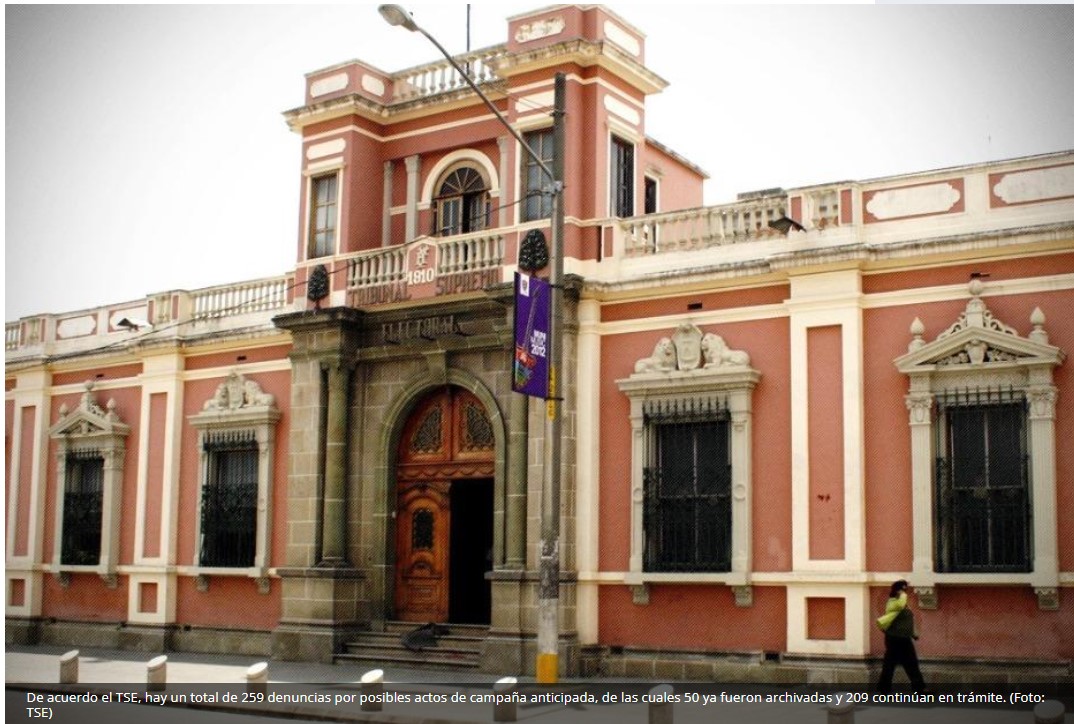
A tres meses de la convocatoria a las Elecciones 2027, estos son desafíos del TS...
- SINE
- No.52600
- Nair De La Rivera
-
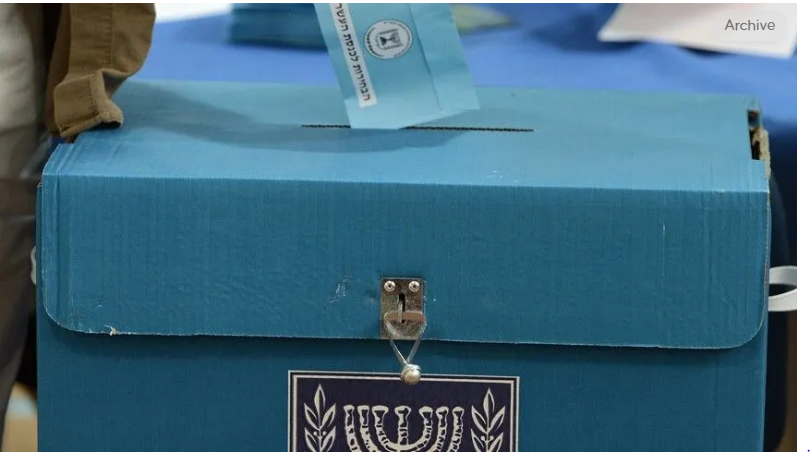
Israeli elections: Arab voters weigh participation against abstention in bid to...
- ISEN
- No.36543
- Alberto Bethancourt


