English.news.cn
KATHMANDU, Oct. 17 (Xinhua) -- Number of the political parties participating in Nepal's Nov. 19 Constituent Assembly elections has doubled in comparison to the 2008 election, the Election Commission said on Thursday.
Out of 119 parties registered by 2008, 54 political parties had taken part in 2008 CA elections, and 25 of them were represented in the earlier CA. Later, the number of parties in the CA reached 33 after some parties split and new ones were formed.
Now for the Nov. 19 elections, out of 139 registered parties, 122 parties have registered their candidates under proportional representation electoral system.
Of the 122 political parties, only four parties dominate more than 95 percent of CA, and they are: the UCPN party (Maoist), Nepali Congress (NC), CPN-UML and Samyukta Loktantrik Madhesi Morcha (SLMM).
These political parties secured first, second, third and fourth position respectively in the 2008 election.
In recent years number of parties has dramatically increased.
After the 2008 election, there was a wrangling among major parties to form a majority government. In order to be able to form a government, some parties sought the support of fringe parties by offering them lucrative government portfolios.
These fringe parties therefore play a crucial role sometimes in the government formation. Even a party with only one member in the parliament could land a ministerial post because a single vote could be vital in forming a majority government.
Such tendencies have contributed to the birth of some parties which lack people's support. Under the existing laws, parties garnering 1 percent of the total cast vote would get a seat in the Constituent Assembly under the proportional representation system of election process.
Some observers say that an increase in number of parties will only aggravate the already unstable political situation in the country.
The dissolved CA had 33 political parties, which made decision- making very difficult. If a single member of parliament obstructs the process, no decisions can be made and the government ceases to function.
What's more, as the number of parties contesting in Nov. 19 election dramatically increases, businessmen, who are often forced to provide donations, suffer.
Editor: Shen Qing

728 x 90
Number of parties contesting in Nepal's November election doubles
- Sección: ISEN
- 09:10 AM, oct 17

Últimas Publicaciones
-
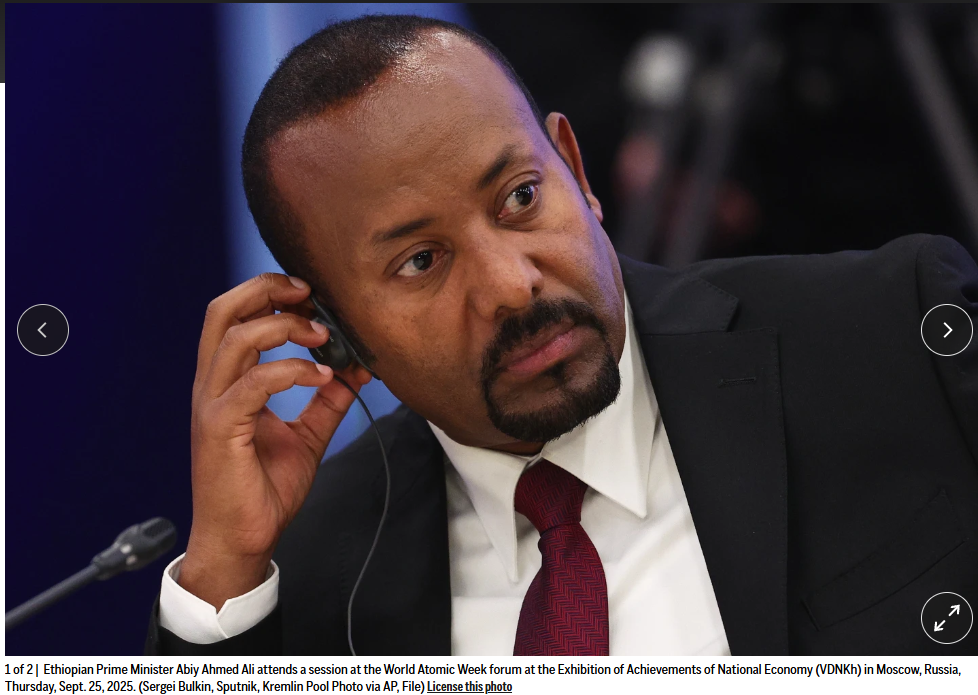
Ethiopian opposition groups unite to mount challenge to prime minister Abiy
- ISEN
- No.36350
- Alberto Bethancourt
-
UK Liberal Democrats see chance to overtake Conservatives as right-wing vote div...
- ISEN
- No.36349
- Alberto Bethancourt
-

Presidente del TSE plantea fortalecer la independencia electoral con nuevos crit...
- SINE
- No.52377
- Nair De La Rivera


